Positive impact on the environment
We guarantee a sustainable future for the territory because we are convinced that, in addition to offering quality, healthy, nutritional food products, our activities should take place in harmony with the environment.
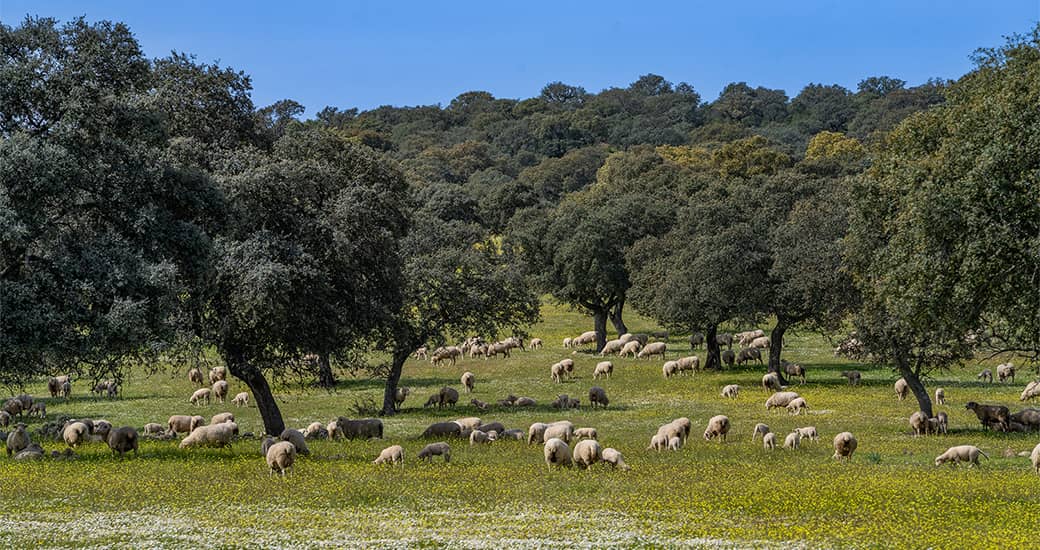
Preserving and regenerating our Dehesa
The Dehesa is an ecosystem unlike any other in the world, a special land that stretches across the southwest of the Iberian peninsula, mainly in Andalucia, Extremadura, and Castilla-La Mancha. In the heart of this paradise, the Valley of Los Pedroches is home to one of the biggest holm oak forests, which is the largest continuous Dehesa in the world. It is a privileged location where our cooperative members operate their livestock farms. The European Union considers it a system of high natural value for being a sustainable development model with great ecological and productive value.
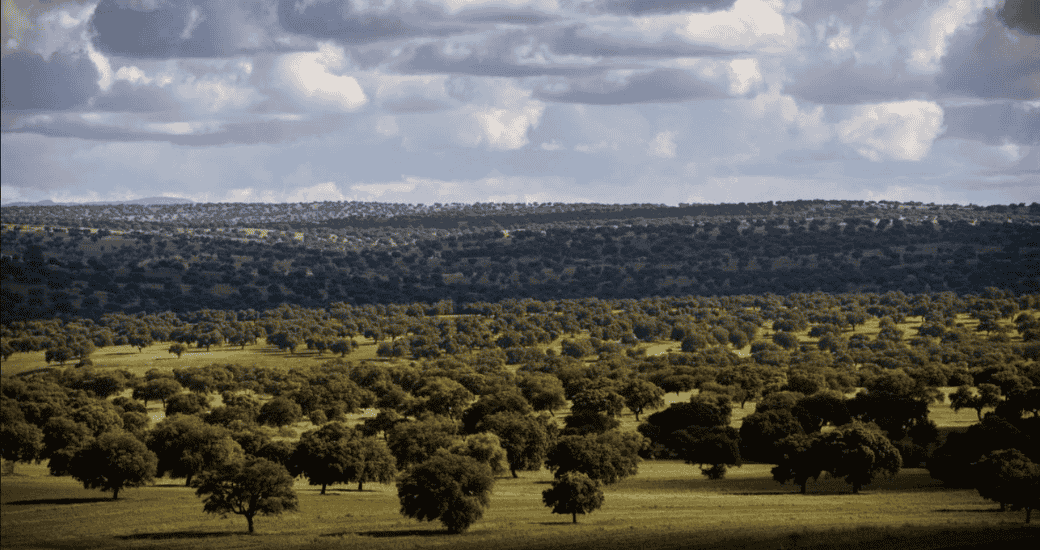
Sustainability and biodiversity model
The Dehesa is a benchmark of sustainability thanks to its high biodiversity and woodlands consisting primarily of holm oaks, cork oaks, gall oaks, and wild olive trees. This setting, along with the rich grasses that result from extensive livestock farming and hunting, allows for livestock production of the highest quality and animal welfare. Plus, this system provides society with ecosystem services of incalculable value, such as the contribution to climate stability, the carbon balance, the regulation of the water cycle, the conservation and improvement of the soil, the mitigation of forest fires, and the preservation of scenic and cultural values.
Aware of this, one of our goals is to promote the preservation of the Dehesa through several lines of action:
Planting and conservation of the woodlands
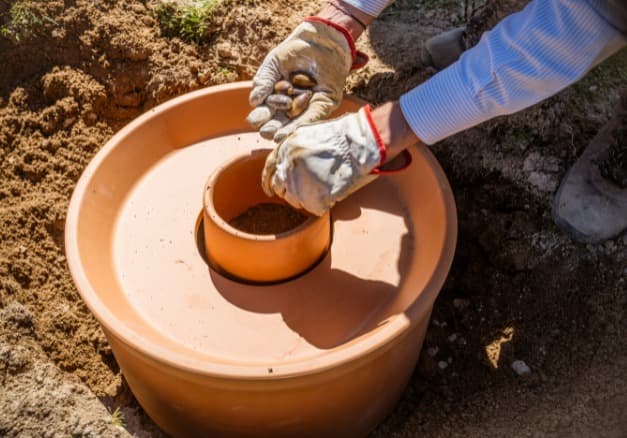
Tinatree. Monalisa Project.
Objective: It is a patented device created by COVAP designed to boost the regeneration of the dehesa. It works as an underground porous ceramic reservoir that integrates into the soil over time and captures up to 25 liters of water (from irrigation or rain), releasing it through capillary action for approximately 60 days. By stabilizing soil moisture and temperature during the critical plant establishment phase, it increases plant survival against water scarcity. It is currently being tested in the MONALISA project (Horizon Europe), in which COVAP collaborates to prevent and reverse soil degradation and desertification in the Mediterranean.
Participating entities: Center for Ecological Research and Forestry Applications (CREAF), GDR Los Pedroches (Adroches), and the Livestock Cooperative of the Valley of Los Pedroches (COVAP).
Funding agency: COVAP and Monalisa Project (Horizon Europe Program).
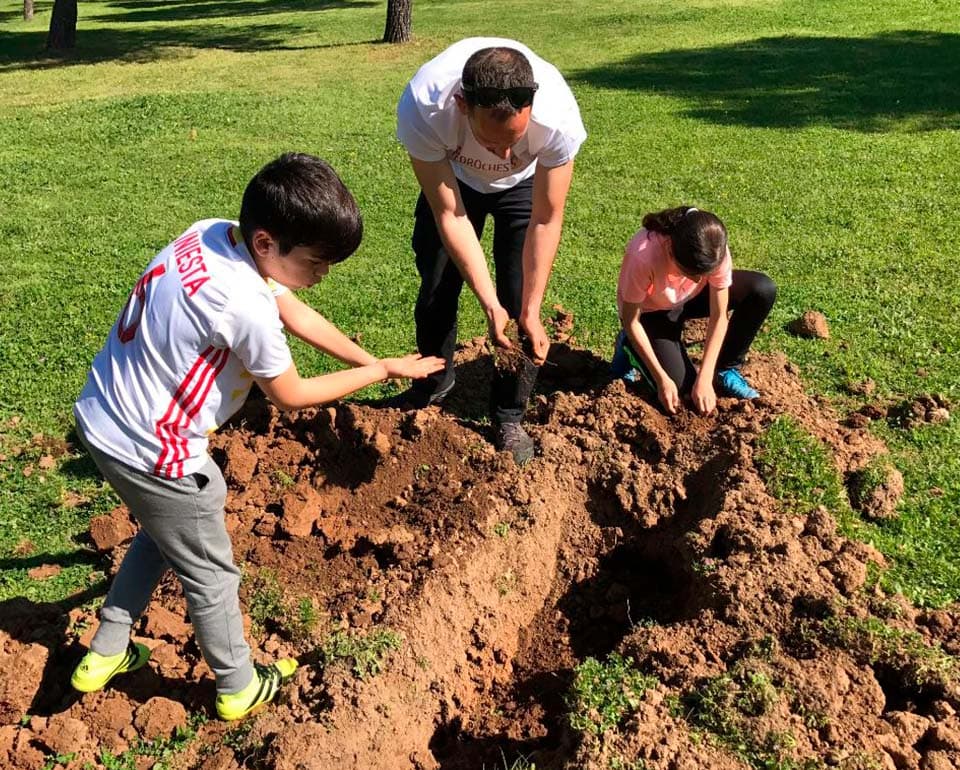
El Dehesafío
Objective: El Dehesafío is a collaborative project whose goal is to ensure the sustainability of the Dehesa of the Valley of Los Pedroches.
Through concrete conservation and reforestation actions (such as planting holm oaks), as well as the labor integration of people with disabilities, the project works to protect and improve this natural area that is fundamental to our region.
Participating entities: Pozoblanco Town Council, PRODE Foundation, and Ricardo Delgado Vizcaíno Foundation.
Accumulated budget: 120.000€
Learn more about our land